 Guangzhou Sourcing Guide
Sourcing the Fair: what it is and why buyers return
The China Import and Export Fair has run in Guangzhou every spring and autumn since 1957. The organiser's own numbers on scale and attendance, how the three phases move product groups, and how the Fair and the city's markets combine in one sourcing trip.
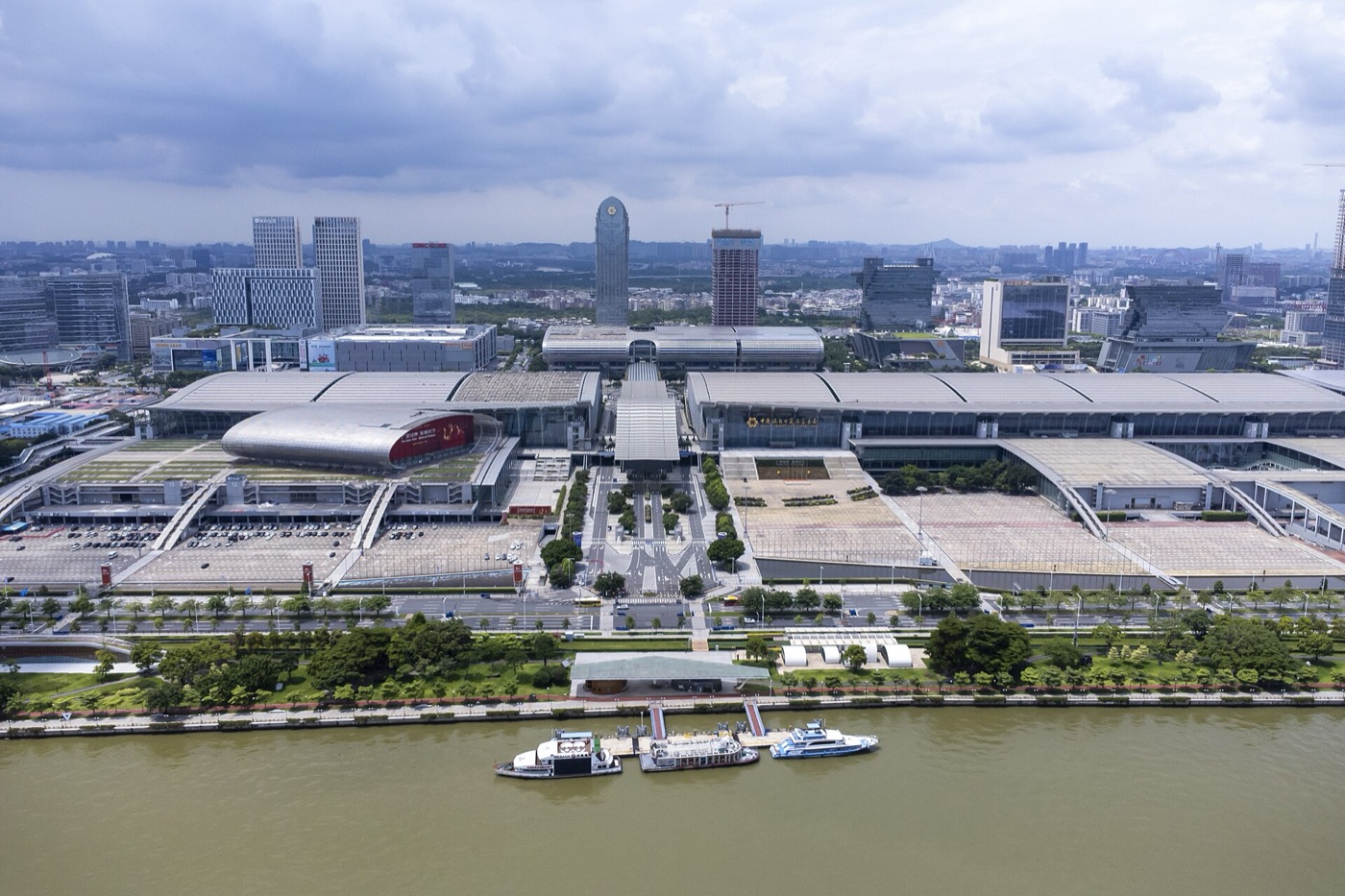

What the Fair is
The China Import and Export Fair, universally called the Canton Fair, is co-hosted by the Ministry of Commerce of the People's Republic of China and the People's Government of Guangdong Province, and organised by the China Foreign Trade Centre. It has run in Guangzhou every spring and autumn since 1957, which makes the session opening on 15 October 2026 the 140th.
The organiser's own description is China's No.1 Fair: the country's comprehensive international trading event with the longest history, the largest scale, the most complete exhibit variety, the largest buyer attendance and the greatest business turnover. Those are the organiser's words; the numbers below are theirs too.
The scale, in the organiser's numbers
The 140th session covers a total exhibition area of 1.55 million square metres. Over 30,000 enterprises are expected to exhibit, including about 2,800 brand exhibitors that passed the organiser's evaluation; around one third of all exhibitors are national high-tech enterprises, single champions, or specialized and sophisticated small and medium enterprises.
The buyer side is the same size. The 139th session drew 314,000 overseas buyers from 220 countries and regions, and the 138th drew over 310,000 from 223 countries and regions, a record.
For a sourcing buyer the practical reading is simple: whatever you buy, several hundred possible suppliers sit inside one covered complex, and the tiers between you and the factory are shorter than in most channels you will have used.
Three phases, two intervals
Each session runs three phases of five days each, with a two-day closed interval between phases while exhibitors change over and reset their booths. The 140th session runs Phase 1 from 15 to 19 October on advanced manufacturing, Phase 2 from 23 to 27 October on quality home life, and Phase 3 from 31 October to 4 November on better life; the intervals are 20 to 22 October and 28 to 30 October.
The phases matter because the product groups move with them: a buyer of home textiles needs a different week than a buyer of industrial robots. Choosing the wrong phase means flying in to find your category still boxed up.
Alongside the onsite show, the organiser runs an online platform and app 365 days a year that mirror the same exhibition sections, so exhibitors and buyers keep working between the spring and autumn sessions.
Who you will meet there
The exhibitors are factories and trading companies from across China, plus an international pavilion with exhibitors from more than 50 countries at the 140th session. The brand exhibitors and high-tech companies are the tier most overseas buyers come for, but the long tail of ordinary booths is where substitutes and lower prices live.
On the buyer side, everyone registers for the Buyer Badge before entering, which keeps the halls limited to trade visitors rather than the general public. How that registration works is covered in the pre-registration and on-site badge pages.
The organiser also runs Trade Bridge events that take buyers to industrial bases and key industrial parks for direct manufacturer matchmaking, plus livestreamed exhibition tours, industry roundtables and a trade services zone covering logistics, finance and insurance.
Why buyers come back twice a year
The spring session opens in mid-April and the autumn session in mid-October, on the same three-phase structure. Buyers who source continuously work two cycles a year without inventing a second trip.
The app and the online platform carry the relationship between sessions: search exhibitors and products, post sourcing requests, message suppliers, schedule appointments, and let the AI notes function summarise each booth conversation afterwards.
The Fair is the structured half of Guangzhou sourcing; the city's wholesale markets are the fast, speculative half. Buyers routinely combine both in one trip: three days at the Complex, two days in the markets, one freight plan at the end.
History, scale, phase structure and registration arrangements come from the organiser's official session introductions. Reading them for a buyer's trip is our own.